Penguin Random House
Editorial Director, Audio
The best stories aren't read – they're heard.

My background is in Audio.
But what matters is how I use it.
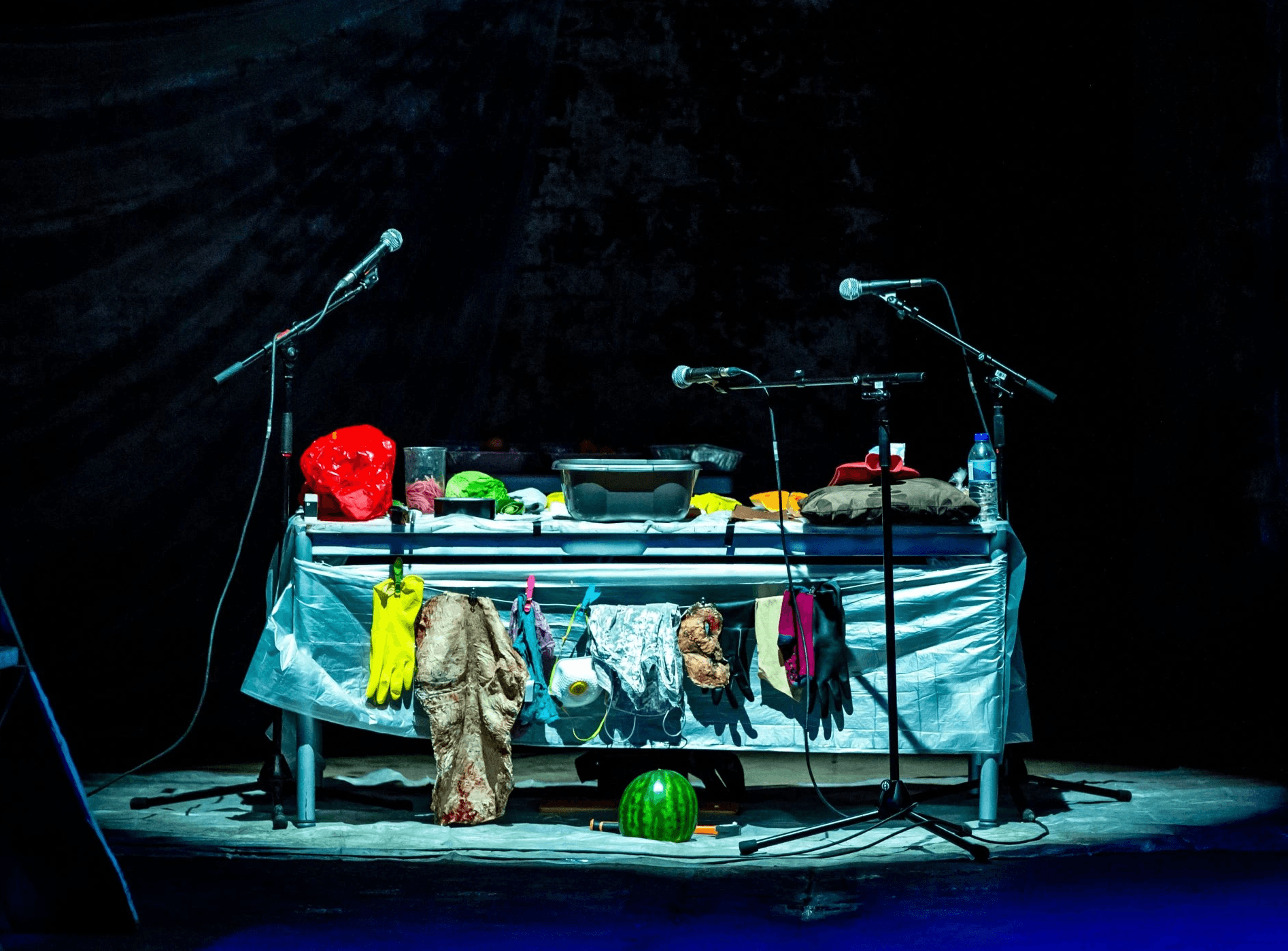
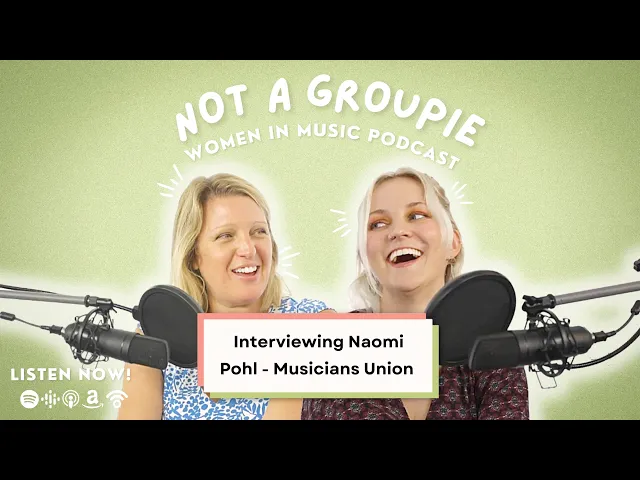
I have worked across audio production, sound design, and narrative storytelling at software companies, in podcast production, and in immersive audio projects (both recorded and live formats).
This has trained me to think in key editorial terms:
Structure
Pacing
Performance
Audience Impact
I am drawn to audiobook publishing and scripted audio, where casting, editorial judgement, and commercial thinking not only support creativity but shape stories at scale.
Why audio publishing matters to me
It's personal
Audio is always my first connection to a story, especially in audiobooks, where the performance and the balance of sound changes everything.
Building worlds
Great audiobooks aren't 'let's just add some sound effects'
The attention to detail in casting, pacing, sound design and narration are all editorial tools that shape meaning as much as the writing.
That’s the space I care about.
What I would bring to your team
Understanding the audience
How I think about the listeners
At Krotos, I have worked on audio systems built for creative users, where usability and creativity had to work together.
It has showed me how design shapes and interacts with an audience, and how to use that information to guide editorial decisions and build on our discoverability across the industry.
It has also strengthened how I think about audience-led creative decisions, where what you assumed normally isn't what people actually need.
Commercial & investment awareness
How I think about scale
At Krotos, creative ambition has always sat alongside constraints in that process.
Particularly time and the needs of the audience.
It has taught me that good creative decisions are not always the biggest ones, they’re the ones that best serve the story, audience, and project as a whole.
That mindset is a big part of how I now think about audio publishing.
Narrative structure
Building attention over time
In Gorgon: A Horror Story, I focused on pacing, tension, and tonal progression.
The goal wasn’t individual moments (although these were important) it was sustained attention.
This gave me a strong grasp on structuring the narrative of long-form linear media, thinking end-to-end production and ensuring creative ideas could be implemented properly into the overall structure, without throwing off the story.